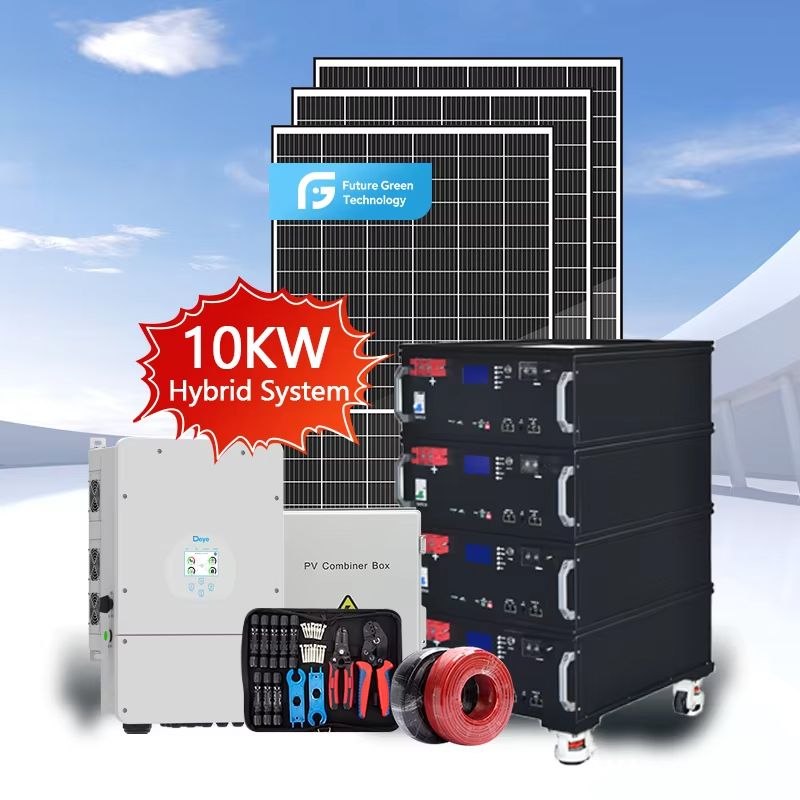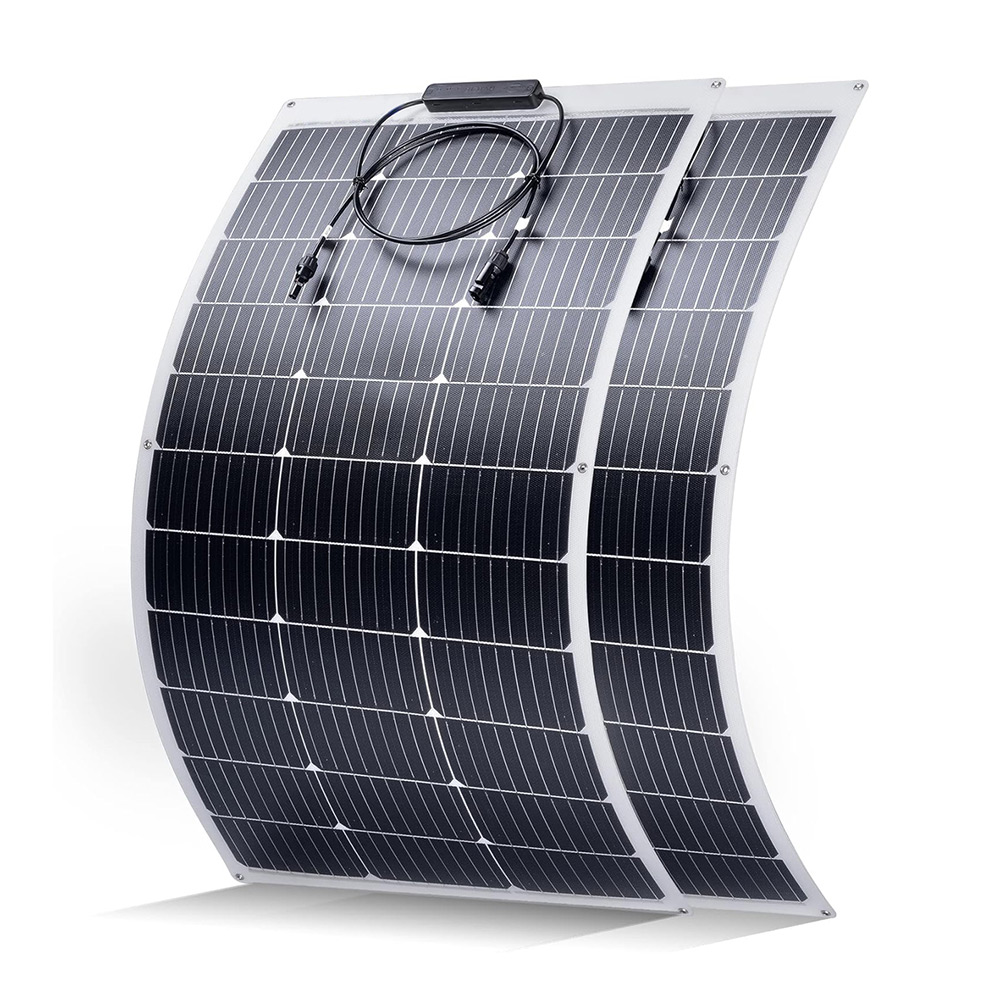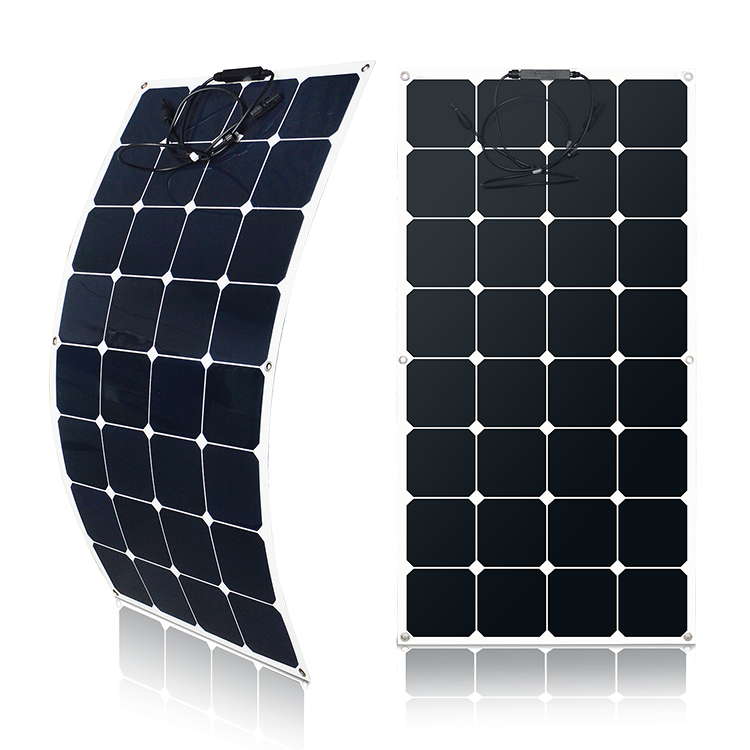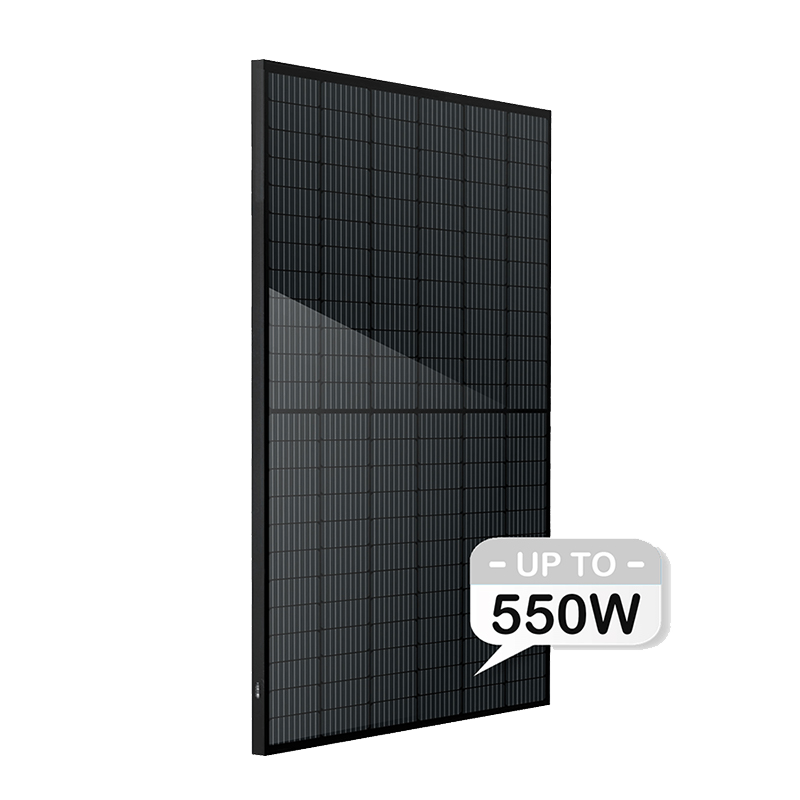
Executive Summary: The solar inverter serves as the operational heart of any PV energy storage architecture. Selecting the appropriate inverter involves balancing peak load surges, MPPT efficiency tracking, parallel expansion capability, and long-term thermal reliability. This engineering guide breaks down key dimensional parameters for commercial and residential applications.
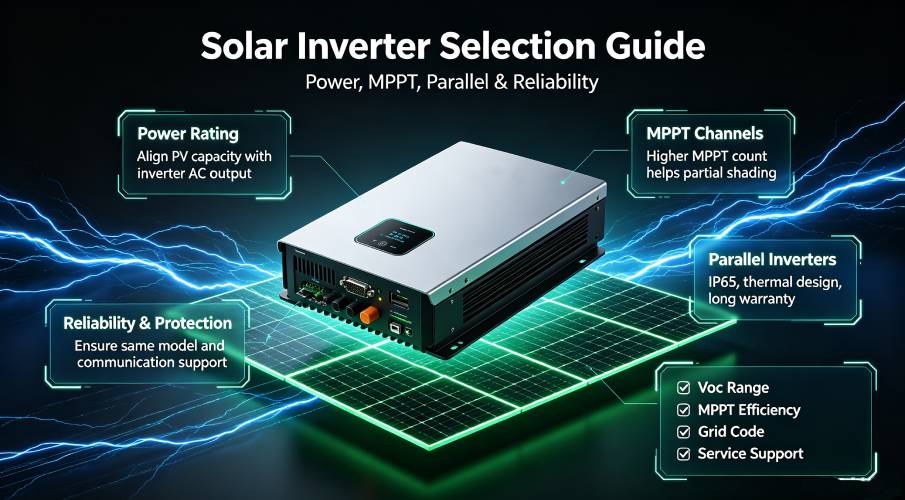
Power matching requires evaluation of both continuous RMS wattage and instantaneous surge capacity. Inductive loads such as air conditioners, water pumps, and compressors demand high starting currents (often 2x to 3x nominal rated power).
Maximum Power Point Tracking (MPPT) optimizes energy harvesting under variable sunlight conditions. Dual or multi-MPPT designs are critical for roofs with complex orientations or localized shading.
Modular installations allow scalable expansion without replacing original hardware. Modern hybrid inverters support parallel synchronization across multiple units in both single-phase and three-phase configurations.
| Technical Specification | Standard Benchmark | High-Reliability Target |
|---|---|---|
| Max Parallel Units | Up to 6 Units | Up to 12 Units (Single / 3-Phase) |
| Transfer Time (UPS Level) | < 20 ms | < 10 ms (Seamless Shift) |
| Ingress Protection Rating | IP21 / IP54 | IP65 (Full Outdoor Marine Grade) |

 Monday -Sunday: 8:00 - 24:00
 No.13 Shang Zhen East RD., Taihe Town Baiyun Area, Guangzhou China
 info@futuregreenbattery.com