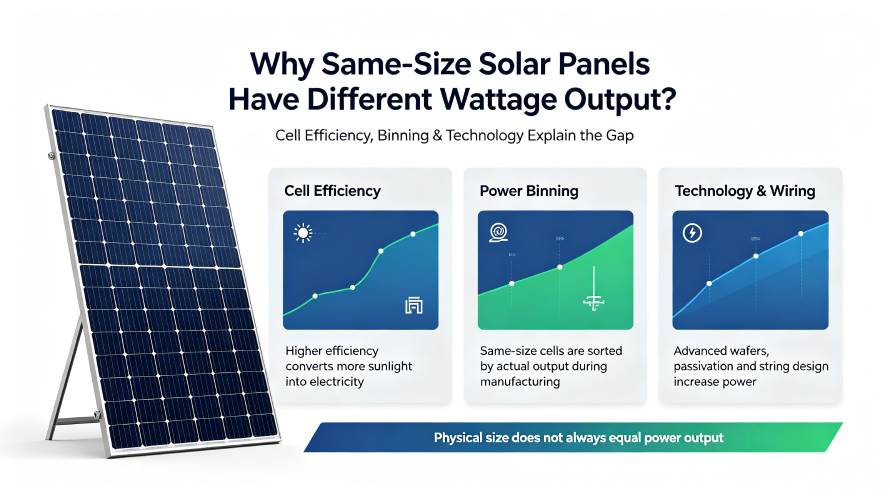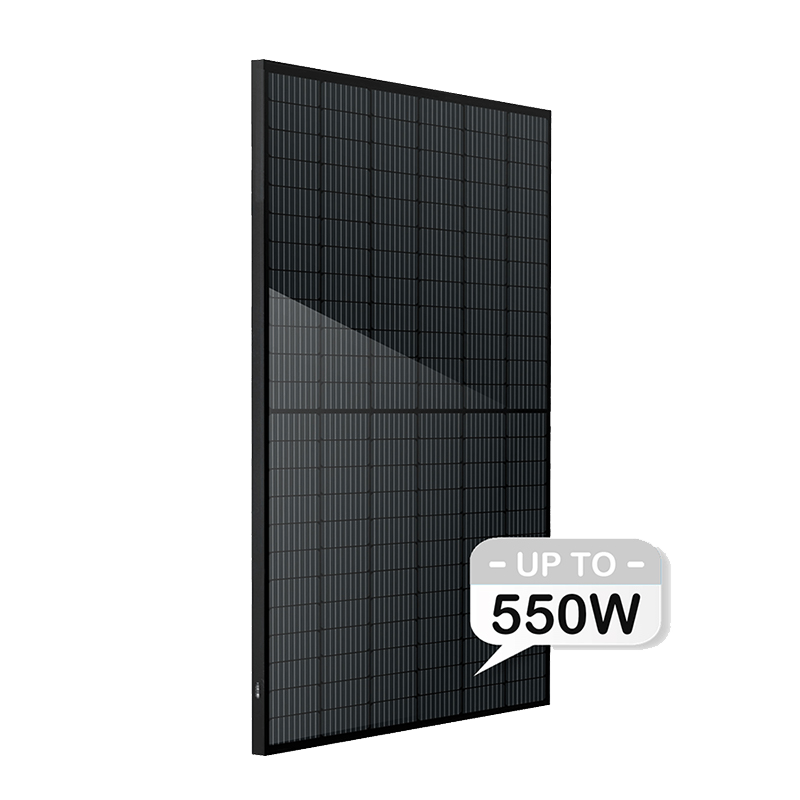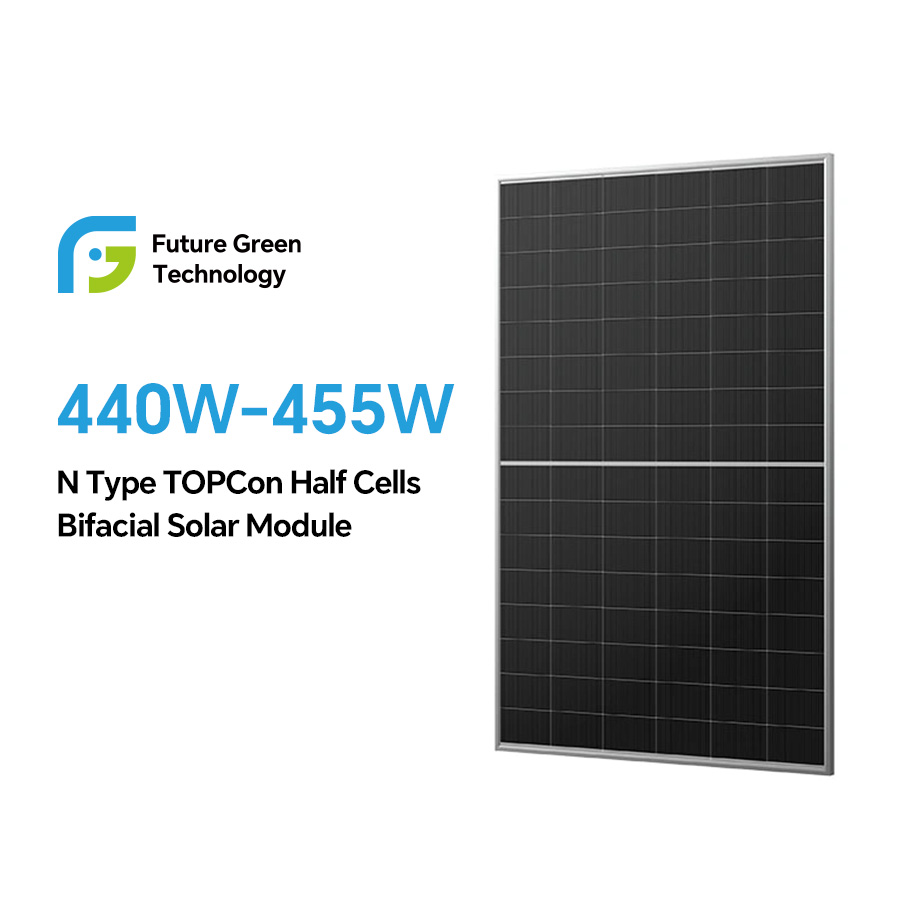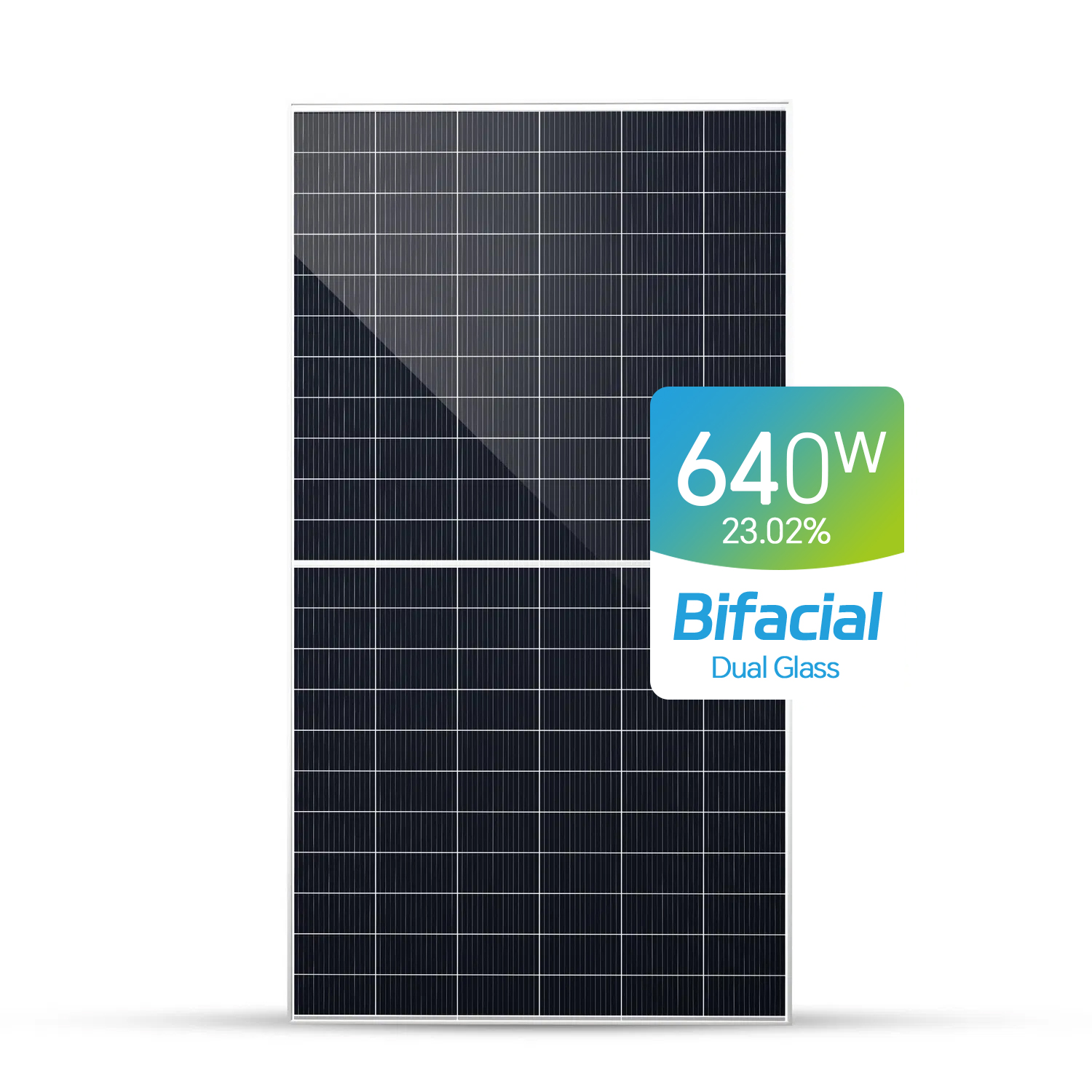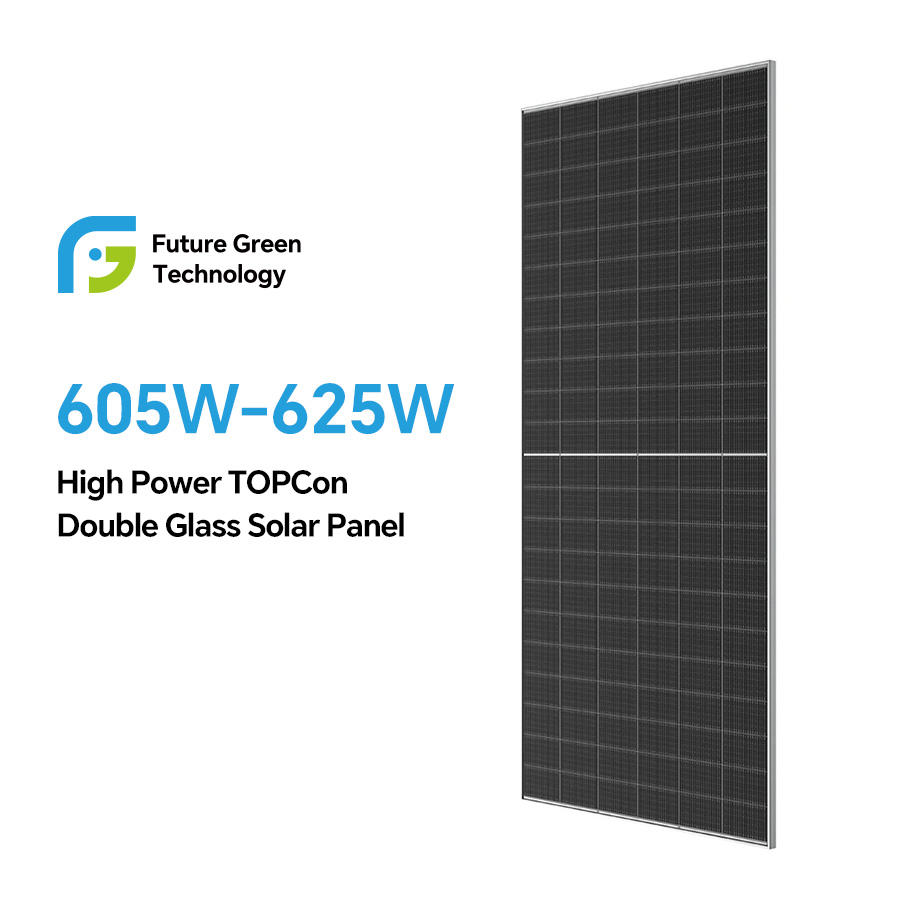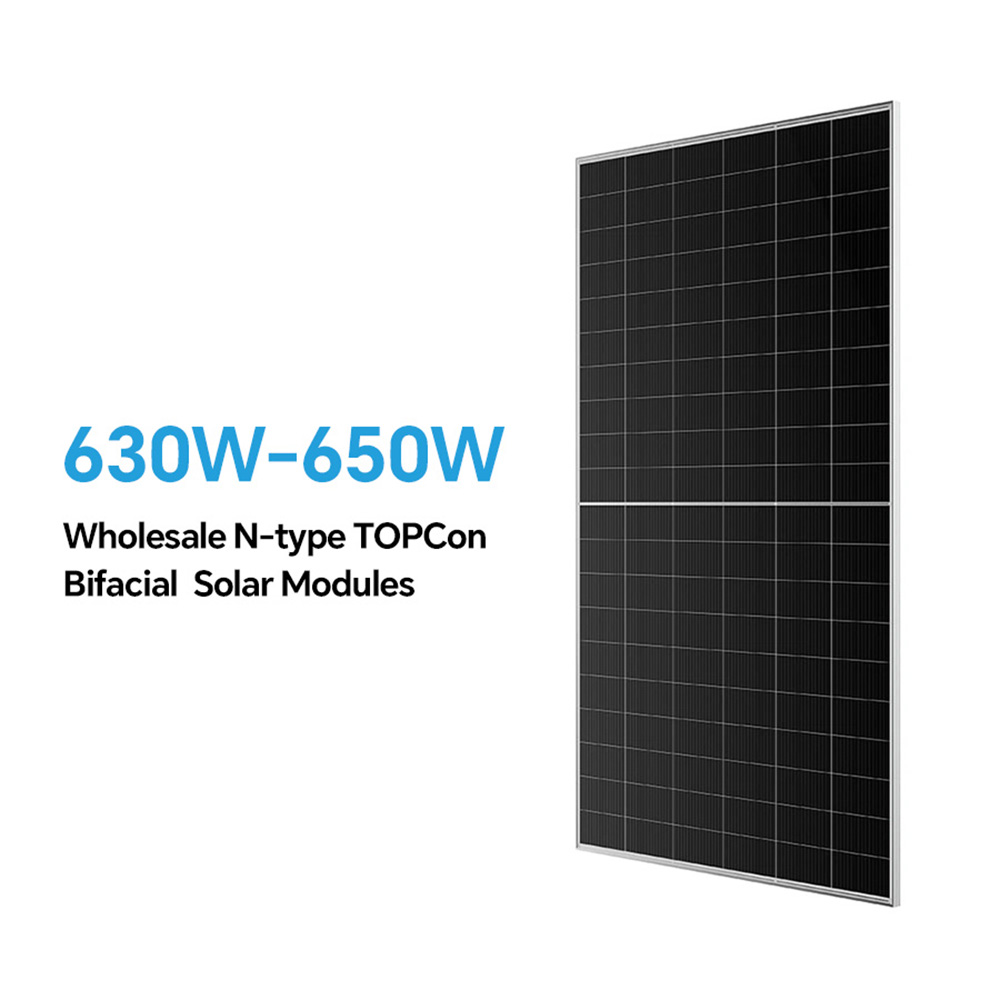
It is a common confusion for solar buyers, installers, and project contractors: two solar panels with exactly the same outer dimensions can carry completely different wattage ratings. One 2m² panel may be labeled 450W, while another identical-sized model is only 400W.
This power gap is not fake labeling in most cases. The actual output difference comes from core technology, internal layout, material selection, testing standards, and structural trade-offs. Understanding these factors helps you avoid low-efficiency products, select cost-effective panels, and prevent unexpected power losses in off-grid and grid-tied solar systems.
Solar cell technology determines the upper limit of conversion efficiency, which directly decides how much power a fixed panel size can generate.
P-type Traditional Cells
Traditional PERC P-type cells have lower conversion efficiency (usually 18%–21%). Due to technical limitations, they cannot output high power within the same frame area. Most budget low-wattage panels on the market adopt P-type technology.
N-type High-Efficiency Cells (TOPCon / HJT)
Modern N-type solar cells eliminate carrier recombination defects of P-type cells, boosting conversion efficiency to 22%–26%+. With the same outer size, N-type panels can pack more power output without enlarging the frame. This is why new-generation high-watt modules always adopt N-type technology.
Conclusion: Same size, N-type panels always deliver higher power and better low-light performance than P-type panels.
The outer frame size is fixed, but the effective light-receiving area inside varies greatly among manufacturers.
Some manufacturers reserve wide internal borders and large gaps between cells for simpler production and better safety redundancy, which reduces the actual silicon cell area and lowers total power output.
Premium solar panel brands optimize internal structure strictly: narrow cell gaps, minimized useless margins, and precise arrangement of solar cells. This design maximizes the effective power generation area, thus increasing wattage under the same external size.
All solar panel wattage parameters are tested under STC (Standard Test Conditions): 1000W/m² irradiance, 25°C cell temperature, AM1.5 spectrum. However, different factories adopt different power tolerance rules.
- Negative tolerance: Some manufacturers mark conservative wattage, e.g., a 400W panel only outputs qualified power strictly below 400W, resulting in lower rated wattage.
- Positive tolerance: High-quality panels adopt +0~+5W positive tolerance, which means the actual tested power is higher than the nominal value, making full use of the panel area.
In addition, individual small factories use non-standard testing environments to exaggerate wattage data, causing virtual high power labels that cannot be achieved in real scenarios.
Even with the same cell type and layout, raw materials and manufacturing processes cause actual power gaps:
- Glass transmittance: High-transmittance textured glass absorbs more sunlight; ordinary low-cost glass reduces light utilization rate.
- Silver paste & welding process: High-precision welding reduces line resistance and power loss; rough processes cause more internal power consumption.
- Encapsulation film: High-quality EVA/POE films reduce light reflection and aging attenuation, maintaining stable high output for 25+ years.
Many customers ignore a key hidden factor: some high-watt same-size panels sacrifice durability for higher power.
To pursue higher wattage, a few manufacturers use thinner aluminum frames and ultra-thin tempered glass, reducing mechanical load resistance (wind load and snow load). Although the nominal power is higher, these panels are prone to deformation, cracking, and power attenuation in harsh weather (strong wind, heavy snow, sandstorm).
Reliable brands balance power and structural safety, retaining sufficient mechanical redundancy for long-term outdoor operation.
Lab STC data cannot represent actual outdoor performance. Panels with the same size and nominal wattage show different real output due to temperature coefficient differences:
Most solar panels have a power temperature coefficient of -0.35%~-0.45%/°C. In tropical high-temperature regions, the cell temperature can reach 50–55°C in sunny weather. N-type panels have better temperature resistance, with smaller power drop under high temperatures, while ordinary P-type panels lose more power in hot environments.
Do not judge panel quality only by nominal wattage and appearance size. Focus on these core indicators:
1. Confirm cell type: Prioritize N-type TOPCon/HJT panels for higher efficiency and stability.
2. Check power tolerance: Choose panels with positive power tolerance.
3. Verify mechanical parameters: Wind load, snow load, and glass thickness for harsh environment adaptability.
4. Focus on long-term attenuation: Ensure 25-year warranty and low annual power decay rate.
Same-size solar panels with different wattage are normal in the photovoltaic industry. The power gap mainly comes from cell technology, internal layout, testing standards, material quality, and structural design. Higher wattage does not always mean better quality — only products with high efficiency, stable output, and reliable structure can bring long-term returns for solar projects.

Monday -Sunday: 8:00 - 24:00
No.13 Shang Zhen East RD., Taihe Town Baiyun Area, Guangzhou China
info@futuregreenbattery.com