Auswirkungen des Winterwetters auf die Leistung von Solarmodulen und Optimierungslösungen
Auswirkungen des Winterwetters auf die Leistung von Solarmodulen und Optimierungslösungen
Dec 23, 2025
Niedrige Temperaturen, Schneefall und bewölkte Tage im Winter können die Effizienz von Solaranlagen auf verschiedene Weise beeinträchtigen, diese Auswirkungen sind jedoch meist nur vorübergehend. Bei ordnungsgemäßer Wartung können Solaranlagen einen stabilen Betrieb gewährleisten.
Schneefall ist einer der Hauptfaktoren, die die Solarstromerzeugung im Winter beeinträchtigen. Wenn Schnee die Paneeloberfläche bedeckt, blockiert er die Photovoltaikzellen direkt vor Sonnenlicht, was zu einem deutlichen Rückgang der Stromerzeugungseffizienz und in extremen Fällen sogar zu vorübergehenden Abschaltungen führt. Solarpaneele sind jedoch von Natur aus so konstruiert, dass sie einen gewissen Grad an …SchneebeständigkeitIhre Oberflächen bestehen aus glattem, gehärtetem Glas. Bei geneigter Montage kann leichter Schnee durch Schwerkraft oder Wind leicht abrutschen. Die Solarzellen und Rückseitenfolien sind größtenteils dunkel, wodurch sie die Sonnenwärme absorbieren können. Zusammen mit der geringen Wärme, die während des Betriebs entsteht, trägt dies zum Schmelzen des Schnees bei. Schnee verursacht daher nur einen vorübergehenden Leistungsabfall, ohne die Solarmodule dauerhaft zu beschädigen. Sobald der Schnee vollständig geschmolzen oder abgerutscht ist, normalisiert sich die Stromerzeugung schnell wieder.
Viele fragen sich, ob Solaranlagen auch an bewölkten Tagen Strom erzeugen können. Die Antwort lautet: Ja. Das Funktionsprinzip von Photovoltaikzellen beruht nicht allein auf direktem Sonnenlicht – sie können auch gestreutes Sonnenlicht einfangen und nutzen. Selbst an stark bewölkten Tagen produzieren Solaranlagen Strom, auch wenn die Leistung deutlich geringer ist als an sonnigen Tagen. Je nach Bewölkung kann der Wirkungsgrad von Solaranlagen an bewölkten Tagen typischerweise bis zu … betragen.25 % bis 50 % davon an sonnigen TagenDieses Merkmal beweist eindrucksvoll die Robustheit der Solarenergieerzeugungstechnologie und ermöglicht ihr einen effektiven Betrieb unter verschiedensten Wetterbedingungen.
Aus Sicht der allgemeinen winterlichen Klimabedingungen beeinflussen Temperatur und Tageslichtdauer auch die Effizienz von Solarmodulen. Entgegen der gängigen Annahme kann eine niedrige Temperatur die Umwandlungseffizienz von Photovoltaikzellen sogar leicht steigern, da diese Zellen bei relativ niedrigen Temperaturen optimal arbeiten. Dieser Vorteil wird jedoch häufig durch andere winterliche Faktoren kompensiert: Neben der Schneedecke reduziert der flachere Einfallswinkel der Sonne im Winter die von den Modulen absorbierte Sonnenstrahlung. Zusammen mit den kürzeren Tageslichtstunden führen diese Faktoren letztendlich zu einer Verringerung der gesamten Stromerzeugung von Solarmodulen.
Um die optimale Leistung von Solaranlagen im Winter zu gewährleisten, sind wissenschaftlich fundierte Betriebs-, Wartungs- und Schneeräumungsmethoden unerlässlich. Für die Schneeräumung können je nach Schneemenge geeignete Methoden ausgewählt werden:
Ein Dachrechen mit breitem Kopf und langem Stiel kann Schnee effizient entfernen, ohne dass es zu einem direkten Kontakt mit den Paneelen kommt.
Durch vorsichtiges Abwischen der Oberfläche mit einer weichen Bürste oder einem Besen lassen sich Kratzer auf den Paneelen vermeiden.
Wenn die Umgebungstemperatur über dem Gefrierpunkt liegt, kann das Ausgießen einer mäßigen Menge warmen Wassers (niemals kochendes Wasser, um Schäden an den Paneelen durch extreme Temperaturunterschiede zu vermeiden) helfen, angesammelten Schnee und dünnes Eis zu schmelzen.
Darüber hinaus ist die Installation von Heizkabeln eine wirksame Präventivmaßnahme, da sie die Temperatur der Paneeloberfläche aufrechterhalten und die Bildung von Schnee und Eis verhindern.
Bei starken Schneestürmen ist es am sichersten, professionelles Personal für die Schneeräumung zu beauftragen, um Schäden an der Ausrüstung durch unsachgemäße manuelle Bedienung zu vermeiden.
Für die routinemäßige Wartung sind regelmäßige Inspektionen der Solarmodule erforderlich, um Schmutz, Laub und Äste, die das Sonnenlicht blockieren könnten, umgehend zu entfernen. Gleichzeitig müssen die Montagehalterungen und die elektrischen Systeme sorgfältig überprüft werden, um sicherzustellen, dass sie fest angeschlossen sind und einwandfrei funktionieren.Stromerzeugungsüberwachungssystemist ebenfalls eine gute Option, da es die Stromerzeugungsdaten in Echtzeit erfassen kann. Wird ein starker Abfall der Stromerzeugung festgestellt, können die Nutzer umgehend benachrichtigt werden, um Wartungsarbeiten durchzuführen und so eine stabile Stromversorgung der Solaranlage über den gesamten Winter hinweg zu gewährleisten.
Der Hauptgrund für die geringere Stromerzeugung aus Solaranlagen im Winter liegt inverschlechterte LichtverhältnisseErstens schwächen die kürzeren Tageslichtstunden und der flachere Sonneneinfall im Winter die Intensität der von den Solarmodulen empfangenen Sonnenstrahlung. Zweitens verringern vermehrte Bewölkung und Wolkenbildung die Lichtdurchlässigkeit zusätzlich. Drittens blockiert Schnee auf den Modulen das Sonnenlicht direkt, was zu einem starken Abfall der Stromerzeugung führt. Es ist jedoch anzumerken, dass niedrige Temperaturen die Effizienz von Photovoltaikmodulen nicht beeinträchtigen. Kristalline Silizium-Solarmodule können sogar einen hohen Wirkungsgrad von rund 100 % erreichen.20 % unter Null Grad CelsiusDas Problem des unzureichenden Sonnenlichts verdeckt diesen Leistungsvorteil.
Um die Solarstromerzeugung in kalten Klimazonen zu maximieren, können Maßnahmen in drei Bereichen umgesetzt werden: Optimierung der Installation, regelmäßige Wartung und Modernisierung der Ausrüstung. Zunächst sollte der Installationswinkel der Solarmodule optimiert werden: durch Neigen der Solarmodule um einen Winkel von 1,5 Grad.30° bis 45° im WinterDadurch können sie einen senkrechten Winkel zum Sonnenlicht beibehalten, was die Absorption von Solarenergie deutlich verbessert. Zweitens: Führen Sie regelmäßige, gründliche Wartungsarbeiten durch: Entfernen Sie Schnee, Laub und andere Verunreinigungen umgehend von den Paneeloberflächen, insbesondere nach Schneestürmen, um sicherzustellen, dass die Paneele vollständig dem Sonnenlicht ausgesetzt sind.AntireflexbeschichtungAuch auf Paneeloberflächen kann mehr Licht absorbiert werden, wodurch Energieverluste durch Lichtreflexion von Schnee- und Eisoberflächen ausgeglichen werden.
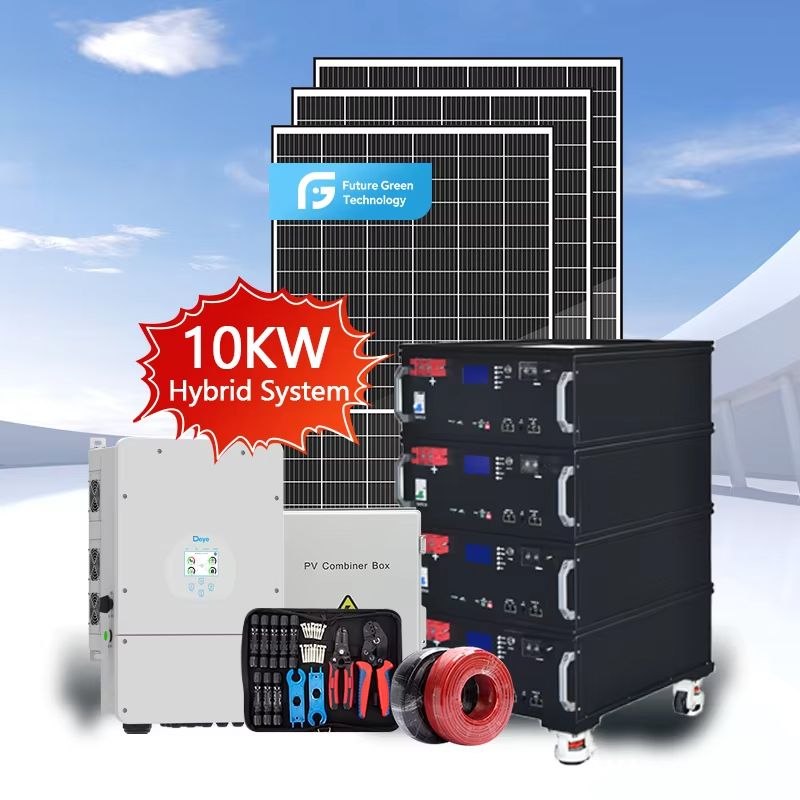
Darüber hinaus kann die Kombination von Solaranlagen mit einem Leistungsüberwachungssystem und Energiespeichern die Nutzung der Stromerzeugung im Winter deutlich verbessern. Das Überwachungssystem erfasst die Stromerzeugungsdaten in Echtzeit und hilft Nutzern so, Wartungsbedarf zu erkennen und Betriebsstrategien zeitnah anzupassen. Energiespeicherbatterien speichern überschüssigen Strom, der an sonnigen Tagen erzeugt wird, für die Nutzung in Zeiten geringer Stromerzeugung, beispielsweise an bewölkten oder verschneiten Tagen. Dies gewährleistet nicht nur eine stabile Stromversorgung, sondern reduziert auch die Abhängigkeit vom Stromnetz. Darüber hinaus ermöglichen EnergiespeicherbatterienGipfelrasurNutzer können in Zeiten hoher Stromnachfrage und Spitzentarife auf gespeicherte Energie zurückgreifen, wodurch die Stromkosten gesenkt und gleichzeitig der Druck auf die Stromnetze im Winter verringert wird, die typischerweise mit einem stark ansteigenden Energiebedarf konfrontiert sind.
Zusammenfassend lässt sich sagen, dass die geringere Stromerzeugung von Solaranlagen im Winter ein vorübergehendes Phänomen ist, das durch schlechte Lichtverhältnisse und nicht durch eine Leistungsminderung der Photovoltaikmodule selbst verursacht wird. Durch eine sinnvolle Anpassung des Installationswinkels, regelmäßige Wartung und den Einsatz von Überwachungs- und Energiespeichersystemen können Solaranlagen auch in kalten Regionen ganzjährig stabil und effizient arbeiten.


 Monday -Sunday: 8:00 - 24:00
 No.13 Shang Zhen East RD., Taihe Town Baiyun Area, Guangzhou China
 info@futuregreenbattery.com