Solaranlagen: Was Sie wissen müssen (Komponenten & Dimensionierung)
Solaranlagen: Was Sie wissen müssen (Komponenten & Dimensionierung)
Jan 27, 2026
Solarenergiesysteme: Wesentliche Komponenten und Dimensionierung
Ein praktischer Leitfaden für Hausbesitzer, die über Solarenergie nachdenken.
Die Kernkomponenten eines Solarenergiesystems
Eine Solaranlage besteht aus mehr als nur den Paneelen auf dem Dach. Um eigenen Strom zu erzeugen, müssen mehrere wichtige Komponenten zusammenarbeiten.
Das essentielle Trio (Alle Systeme)
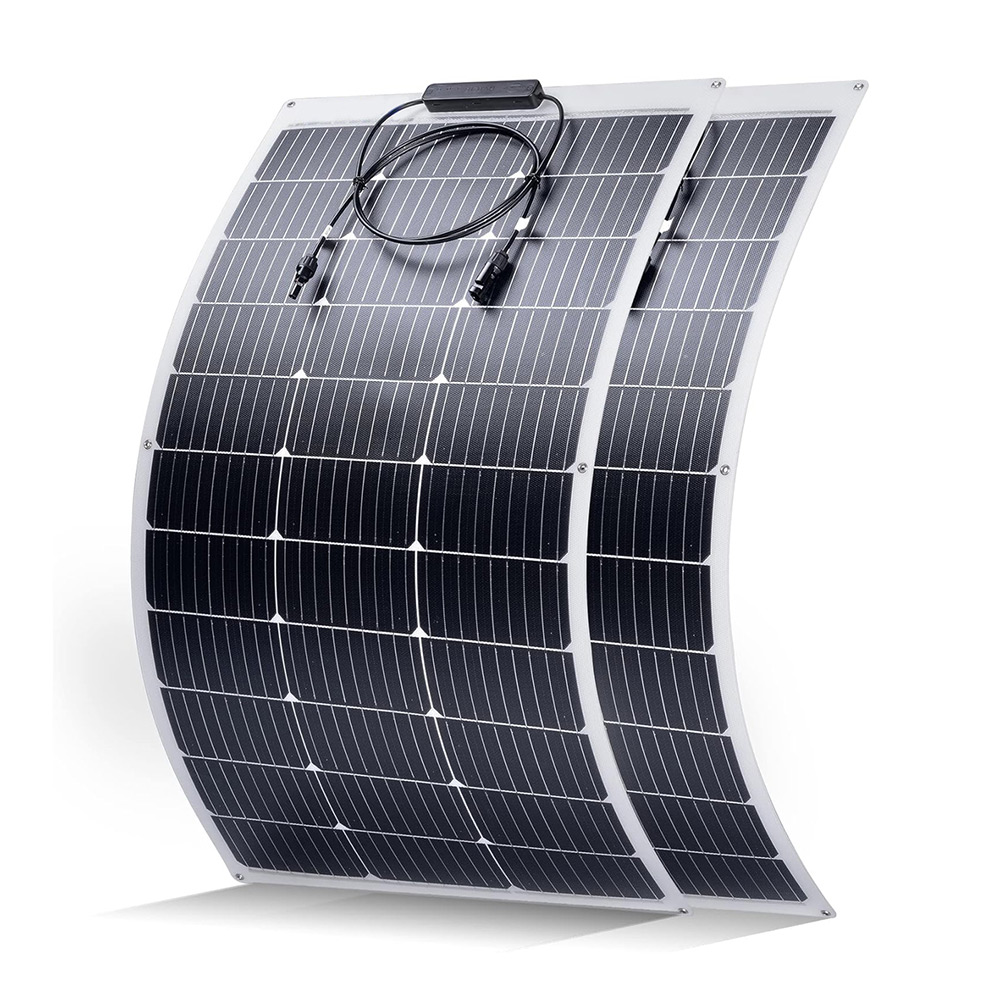
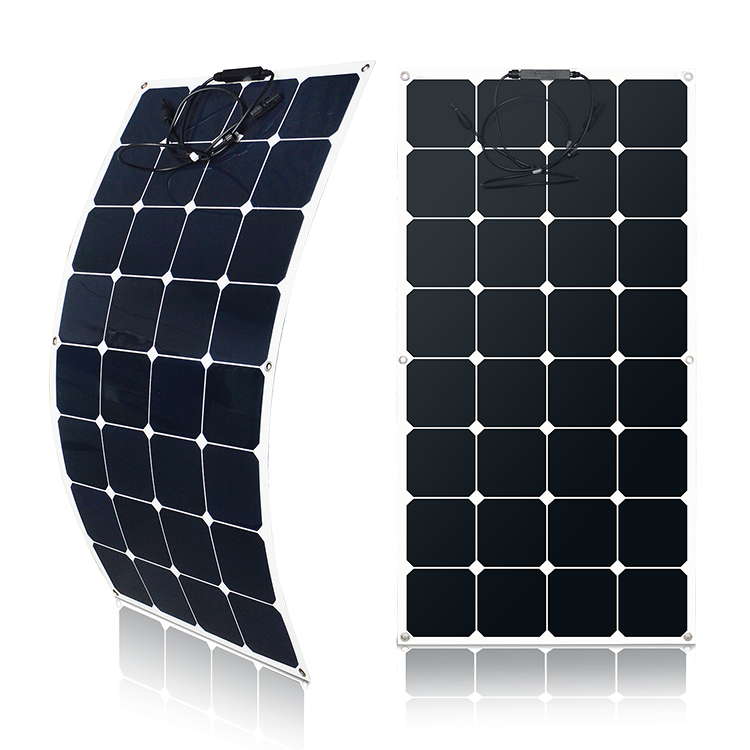
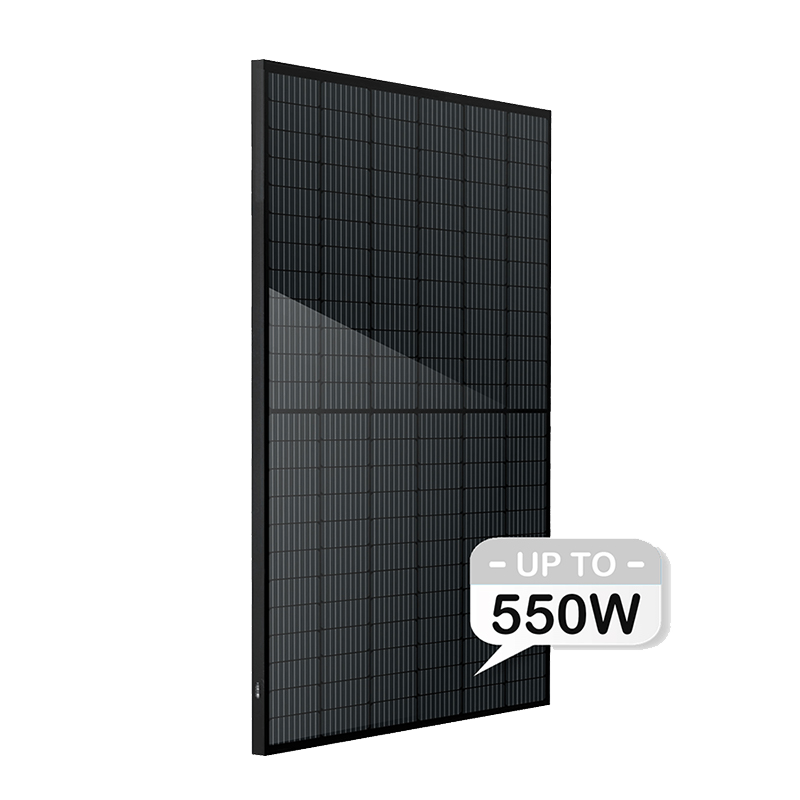
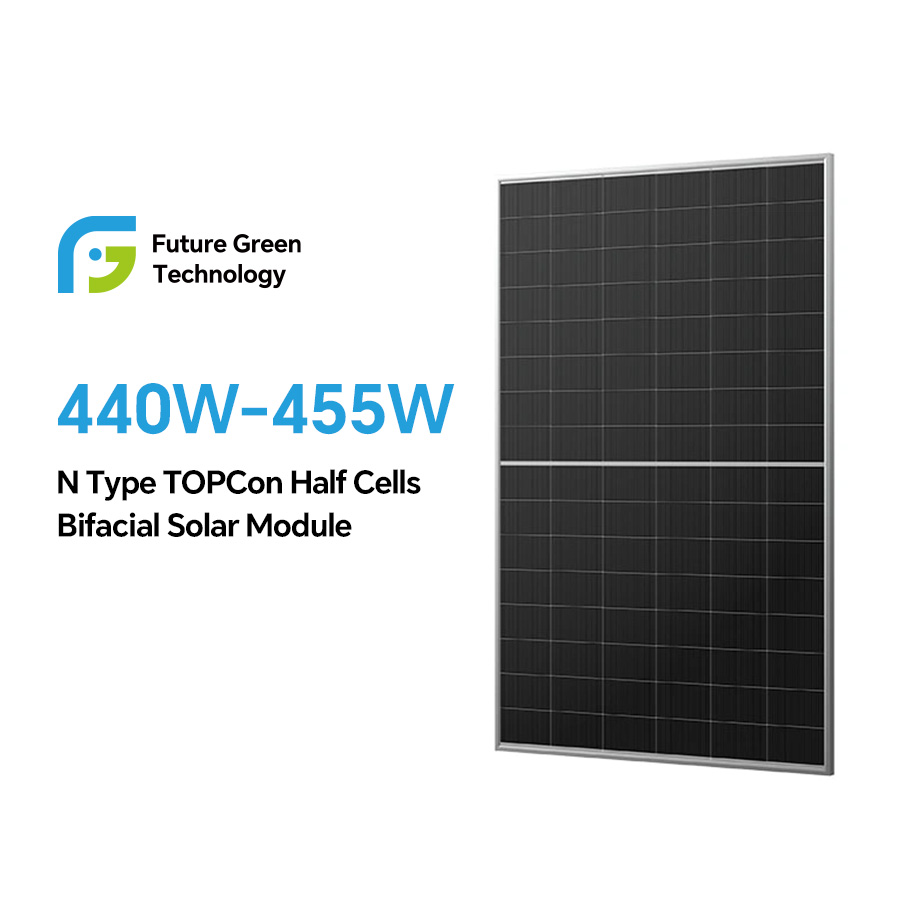
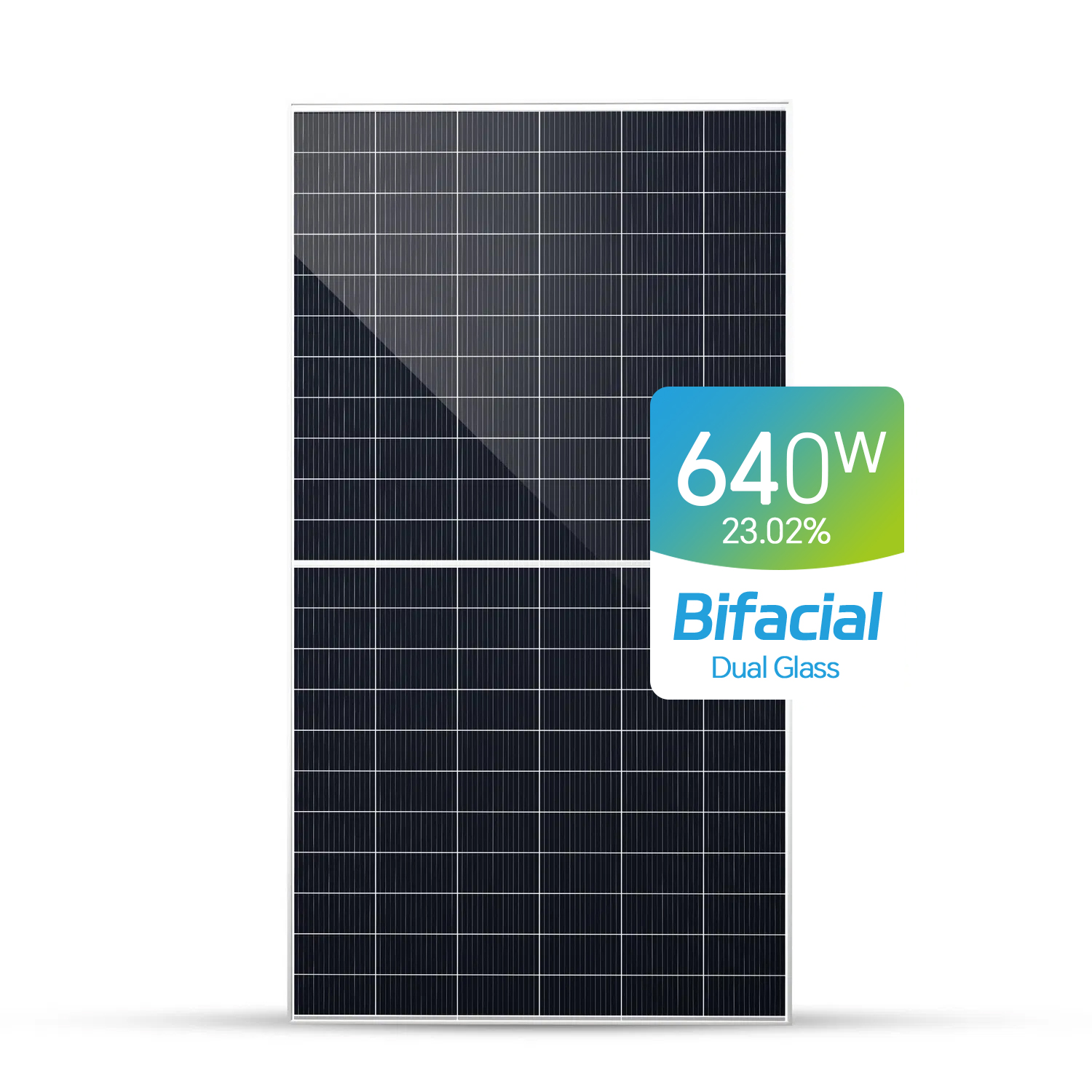
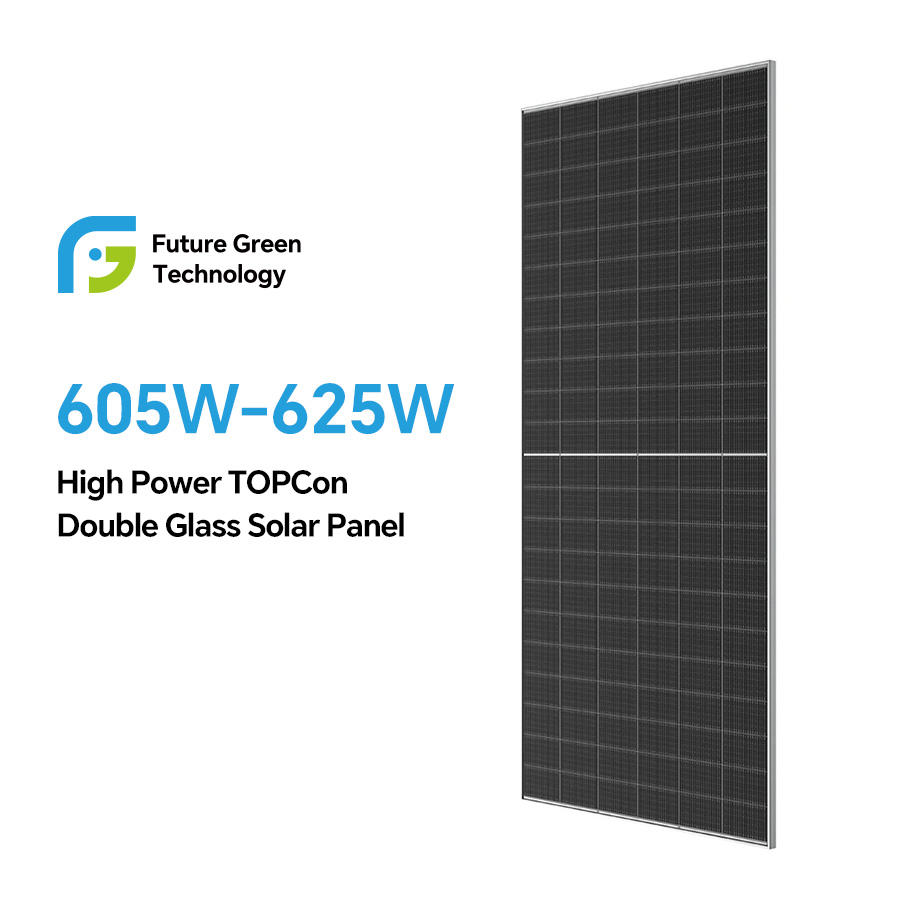
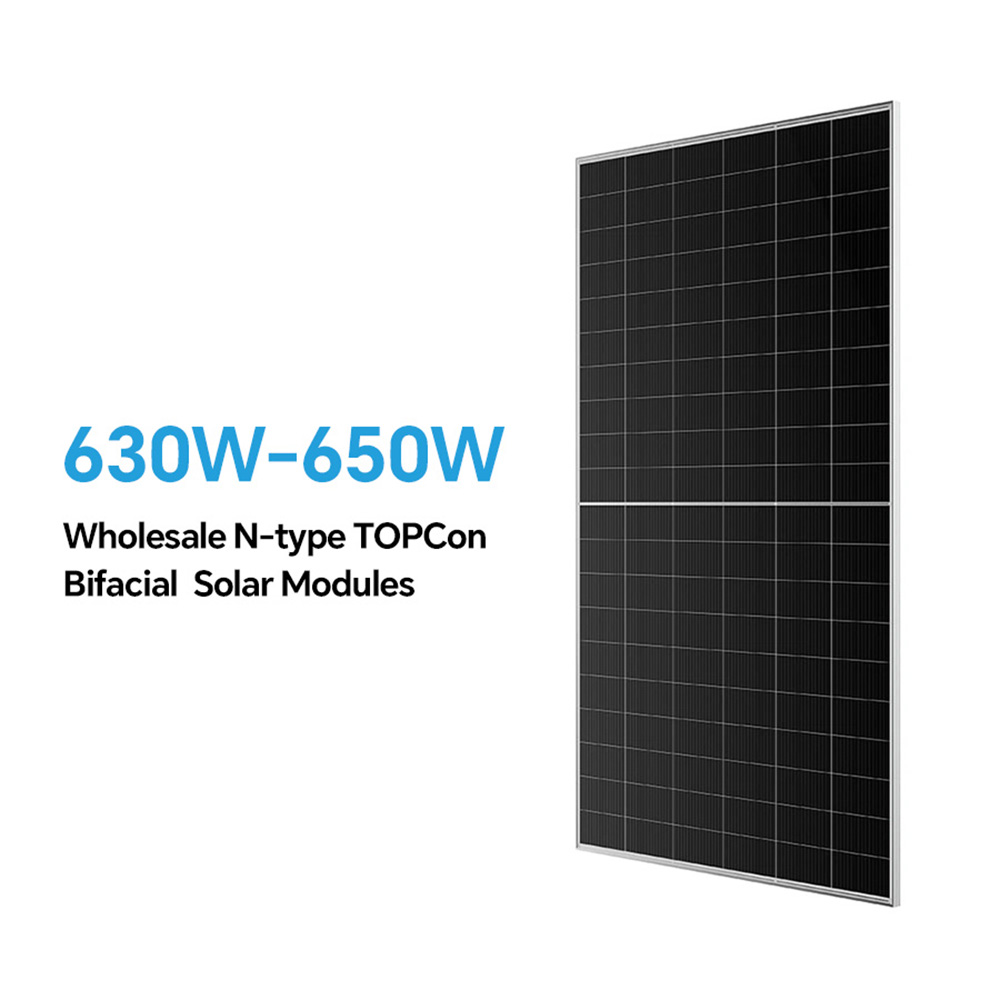
Solarpaneele
Sonnenlicht einfangen und in Gleichstrom (DC) umwandeln.
Wechselrichter
Wandeln Sie den Gleichstrom (DC) in den Wechselstrom (AC) um, der von Ihren Haushaltsgeräten verwendet wird.
Montagesystem
Bietet eine sichere und langlebige Basis für die Installation Ihrer Paneele auf dem Dach oder am Boden.
Energiespeicherung: Netzgekoppelt vs. netzunabhängig
Sie benötigen außerdem eine Möglichkeit, die von Ihnen erzeugte Energie zu verwalten.
Für netzgekoppelte Systeme
Das Stromnetz fungiert als Ihre „Batterie“. Sie speisen überschüssige Energie in das Netz ein (oft gegen Gutschrift) und entnehmen ihr bei Bedarf Strom, sodass kein zusätzlicher Speicher im Haus erforderlich ist.
Hauptvorteil: Keine Investition in Batterien erforderlich
Für netzunabhängige Systeme
Sie müssen Ihren eigenen Strom speichern, wofür zwei zusätzliche Komponenten erforderlich sind:
Batteriebank: Speichert Solarenergie zur Nutzung in der Nacht oder an bewölkten Tagen
Laderegler: Schützt Ihre Batterien durch Regulierung von Spannung und Stromstärke der Solarzellen während des Ladevorgangs.
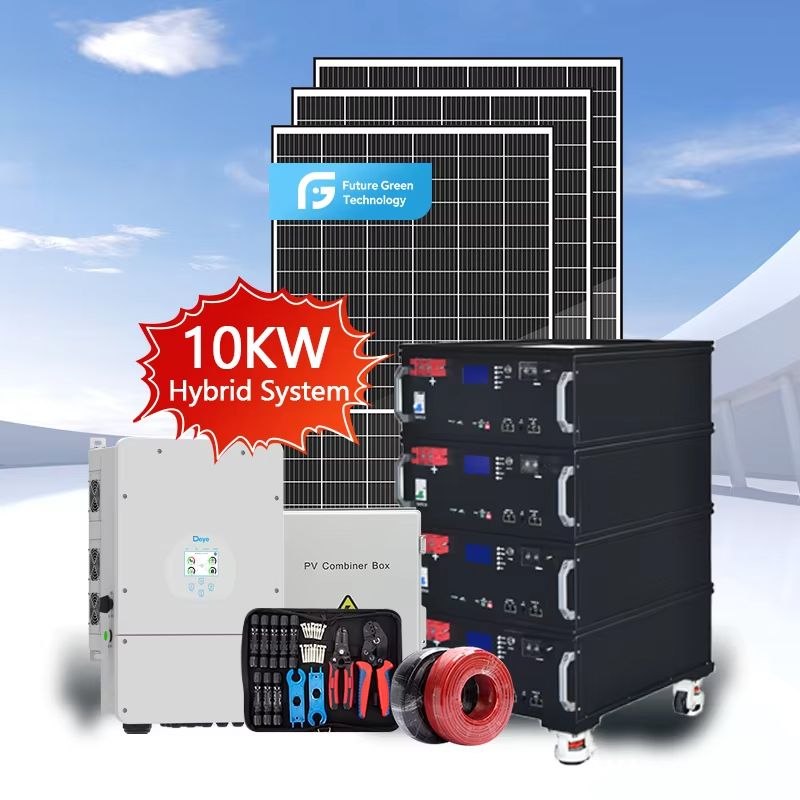
Gleichgewicht des Systems (BOS): Diese Hauptkomponenten sind durch Systemkomponenten (BOS) – Verkabelung, Sicherungen und Schutzschalter – verbunden und geschützt. Unsere Selbstbausätze enthalten alle notwendigen Komponenten und Werkzeuge für eine vollständige Installation.
Wie Sie die benötigte Größe Ihrer Solaranlage ermitteln
Die Wahl der richtigen Systemkapazität ist entscheidend für Leistung und Wirtschaftlichkeit. Die Größe Ihres Systems richtet sich nach Ihrem Stromverbrauch, gemessen in Kilowattstunden (kWh). Ihren durchschnittlichen monatlichen oder jährlichen Verbrauch finden Sie auf Ihrer Stromrechnung.
Für netzgekoppelte Systeme (einfachere Dimensionierung)
Am schnellsten erhalten Sie eine genaue Kostenschätzung mit unserem Solarrechner. Geben Sie einfach Ihren Standort und Ihren Stromverbrauch ein, und wir berechnen die optimale Anlagengröße und empfehlen Ihnen passende Sets.
Für netzunabhängige Systeme (Detaillierte Dimensionierung)
Die Dimensionierung von netzunabhängigen Anlagen erfordert eine detailliertere Analyse:
1
Täglichen Energieverbrauch berechnen
Listen Sie alle Geräte, ihre Wattzahl und ihre tägliche Nutzungsdauer auf, um Ihren gesamten täglichen Energiebedarf (in kWh) zu ermitteln.
2
Nutzen Sie unseren Off-Grid-Rechner.
Geben Sie Ihren täglichen kWh-Verbrauch, Ihren Standort und die gewünschte Batterieautonomie in Tagen ein. Der Rechner ermittelt die benötigte Solarmodulkapazität, die Größe des Batteriespeichers und die Wechselrichterleistung.
Benötigen Sie eine individuelle Beratung? Unsere Solarexperten helfen Ihnen gerne bei der Auswahl des perfekten Systems für Ihre individuellen Bedürfnisse.


 Monday -Sunday: 8:00 - 24:00
 No.13 Shang Zhen East RD., Taihe Town Baiyun Area, Guangzhou China
 info@futuregreenbattery.com